Emergency heating company addresses urgent, safety- or comfort-critical issues with home heating systems that require immediate attention. This guide explains what constitutes an emergency, the importance of rapid response, and how certified technicians diagnose and resolve failures across furnaces, heat pumps, and boilers.
This information helps Atlanta homeowners find timely, practical answers and take the right steps when heating systems fail.
What Qualifies as an Emergency Heating Company in Atlanta?
An Atlanta emergency heating repair service involves any condition where the heating system poses an immediate safety risk or renders a home uninhabitable. This includes failures that endanger occupants or result in a total loss of heat during critical cold conditions. Rapid remediation restores safety and comfort while minimizing secondary damage like frozen pipes. Understanding these distinctions helps homeowners decide when to call for urgent professional help versus scheduling routine repairs.
Which Heating System Issues Require Immediate Attention?
Emergency heating issues include safety-critical failures such as gas leaks, carbon monoxide alarm activation, visible smoke or fire, and complete loss of heat during freezing conditions. These conditions combine a hazardous mechanism with acute risk to occupants. Other emergencies include electrical arcing, burning odors, and severe water leaks from boilers or hydronic piping that threaten structural damage. Immediate actions include evacuating if there’s a gas smell or CO alarm, turning off the gas at the meter if trained and safe, and avoiding reset attempts for electrical or combustion components. These steps protect occupants and preserve evidence for accurate diagnostics.
How Do You Recognize Signs of Heating Emergencies?
Recognizing heating emergencies starts with sensory cues: persistent burning smells, loud mechanical clanks, repeated short-cycling, or a thermostat showing a heat call with no warm air. Visible sparks at the unit and tripped breakers accompanied by furnace silence indicate electrical faults. Homeowners can perform safe initial checks like confirming thermostat settings, inspecting breakers, and ensuring vents are clear, but must stop if they detect a gas odor, CO alarm activation, or smoke. Early recognition from the emergency heating company reduces response time and helps technicians triage urgency effectively.
What Are Common Causes of Heating System Breakdowns in Atlanta?
Typical causes of breakdowns in Atlanta include neglected maintenance, aging components (e.g., failing blower motors or heat exchangers), and fuel-supply or electrical interruptions. Humidity and seasonal load shifts also expose weak components. Mechanical wear, thermostat calibration drift, and condensate drain blockages often start as minor issues but can escalate into emergencies if left unchecked. Identifying these root causes highlights where preventative maintenance and timely repairs significantly reduce emergency risk.
How Fast Can an Atlanta Emergency Heating Company Respond?
Response speed for emergency heating calls depends on triage, crew availability, parts on hand, and local demand. Rapid response restores safety and limits collateral damage. Typical response windows for true emergencies range from within a few hours to same-day arrival, with life-safety issues prioritized.
Factors extending arrival times include after-hours demand, severe weather, and parts scarcity. Clear communication about symptoms during the initial call speeds triage and prioritization. Preparing system details (model, symptoms, recent service history) helps dispatchers assign the right technician and parts for faster resolution.
What Does 24/7 Emergency Heating Service Mean for Atlanta Residents?
A 24/7 emergency heating service means providers maintain after-hours dispatch with on-call technicians available for urgent safety or heat-loss events, using phone or online triage to prioritize calls. This includes holiday and overnight coverage. Practical limits exist, such as parts availability, which may mean a temporary fix on the first visit. Providers generally offer initial safety checks, temporary measures to restore heat, and prioritized parts ordering for a full repair. Understanding these constraints helps homeowners set reasonable expectations.
What Is the Typical Emergency Repair Process in Atlanta?
A typical emergency repair process begins with the initial call and triage, proceeds to prioritized dispatch, and then on-site diagnostics. This includes safety checks for combustion, gas, and electrical systems before temporary measures or full repairs commence.
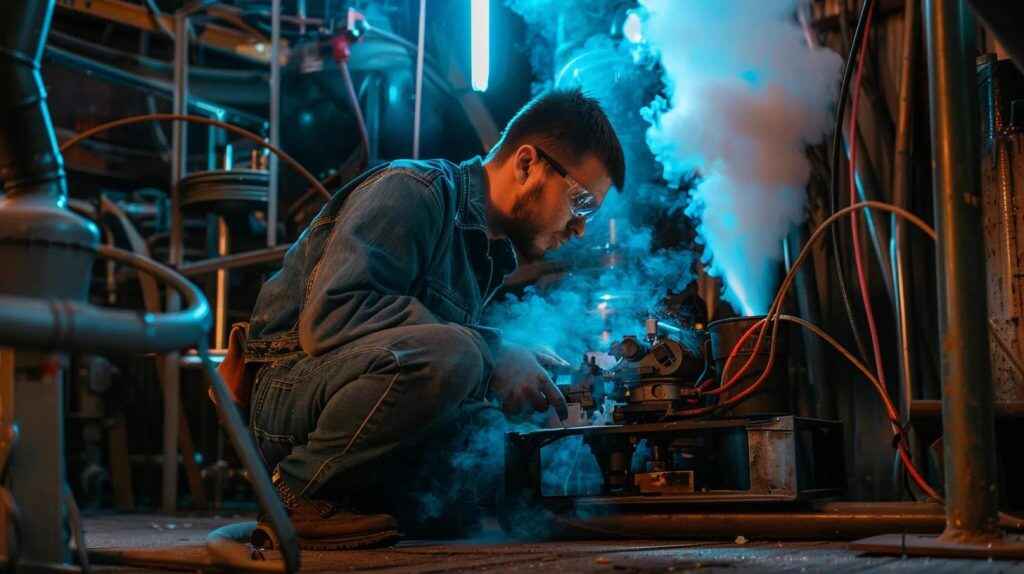
Technicians first secure the site, assess immediate hazards, and implement temporary fixes. After assessing parts needs, the technician from the emergency heating company provides an itemized estimate and discusses options. Post-repair follow-up commonly includes testing system operation, verifying thermostat response, and advising on maintenance to prevent recurrence. This staged approach ensures occupant safety and transparent decisions.
What Atlanta emergency heating repair services Are Available?
Atlanta emergency heating repair service covers a broad set of interventions across system types, including diagnostics, safety checks, temporary fixes, on-site part replacement (when available), and scheduling for full repairs when specialized parts are required. Providers commonly service furnaces, heat pumps, boilers, and ductless systems during emergency calls, addressing immediate safety concerns like gas leaks and carbon monoxide incidents. The table below clarifies typical emergency fixes, expected turnaround for temporary restoration, and after-hours availability.
System Type | Typical Emergency Problems | Typical Emergency Fix / Turnaround Time |
Furnace | Igniter failure, blower motor, and heat exchanger issues | Igniter or motor replacement if stock available; temporary restart or safety shutoff; same-day temporary fixes are common |
Heat Pump | No heat, frozen coils, compressor errors | Defrost cycle reset, refrigerant checks, temporary reversal to backup heat; partial fixes same-day, parts may require order |
Boiler / Hydronic | Pressure loss, leaks, failed circulator pump | Pressure containment, leak isolation, pump replacement if on-hand; temporary heat sources used while parts are shipped |
Ductless / Mini-Split | Electrical faults, compressor faults, and control failure | Power reset, control board swap if available, temporary indoor-unit fixes; follow-up may be scheduled for full repair |
This comparison shows that emergency visits prioritize safety and heat restoration, with full repairs depending on parts availability and system type. Local emergency heating companies provide 24/7 availability, rapid response, and certified technicians for initial diagnostics, safety containment, and temporary heat restoration.
How Does Emergency Furnace Repair Work in Atlanta?
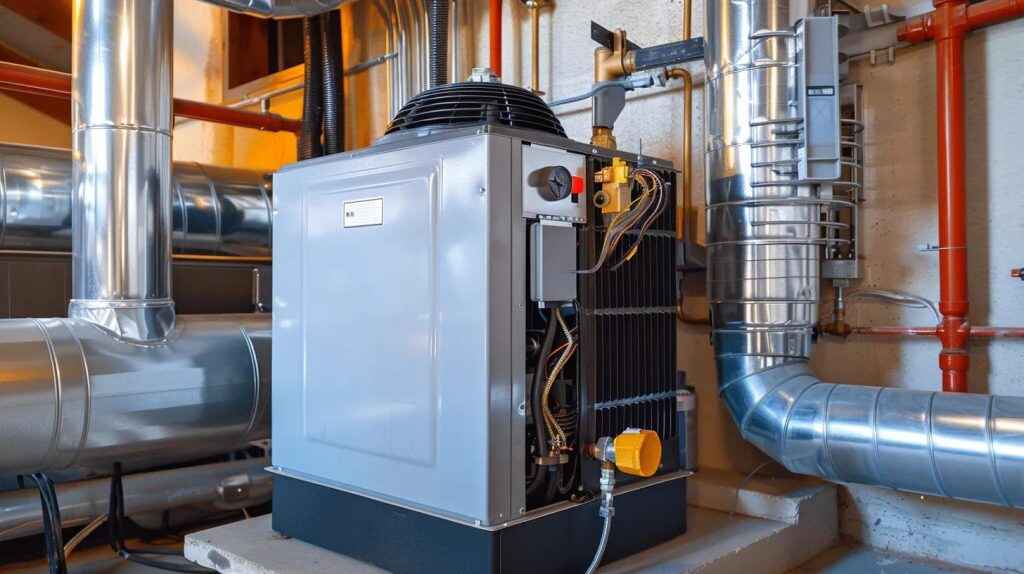
Emergency furnace repair focuses on restoring safe combustion and airflow rapidly. Common immediate services include igniter replacement, pilot control repairs, blower motor troubleshooting, and safety interlock testing. Technicians confirm a safe fuel supply and inspect the burner assembly and heat exchanger for cracks or soot buildup. If CO risk is detected, the unit is shut down, and occupants are advised to ventilate.
How Can Preventive Maintenance Help Avoid Heating Emergencies?
Preventive maintenance reduces emergency risk by addressing wear, improving combustion efficiency, and catching small failures before they escalate. Technicians replace worn components, clean critical parts, and calibrate controls. Regular maintenance improves airflow, prevents heat exchanger failures, and ensures condensate and venting systems function correctly, lowering the chance of CO events and sudden breakdowns. Performing these tasks and contracting annual professional inspections are complementary layers that cut emergency incidence and extend system life.
Maintenance Task | Key Attribute | Recommended Frequency |
Filter replacement | Airflow and efficiency | Every 1-3 months, depending on use |
Combustion safety check | Heat exchanger, CO risk | Annually for gas-fired systems |
Thermostat calibration | System cycling and comfort | Annually or when performance drifts |
Condensate and drain inspection | Prevents water damage | Annually and during cooling-to-heating transitions |
How Often Should You Schedule Heating System Inspections?
Most systems benefit from an annual professional inspection, with high-use or older systems warranting biannual visits. Timing is often recommended before the start of heavy-use seasons. Boilers and hydronic systems may require more frequent attention, while heat pumps should be checked at the transition between cooling and heating seasons. Scheduling inspections proactively lets technicians replace marginal parts during normal business hours, reducing the chance of after-hours emergency calls. A regular inspection cadence is one of the most effective strategies to reduce both emergency frequency and lifecycle costs.
How to Choose the Right Emergency Heating Company in Atlanta?
Choosing the right emergency heating company requires evaluating verifiable qualifications, transparent pricing practices, and local expertise to ensure timely, safe, and cost-effective emergency service. Essential criteria include valid licensing, liability insurance, technician certifications, a clear after-hours policy, and demonstrable local experience with Atlanta housing types and climate impacts. The checklist below organizes these attributes to verify before hiring, improving outcomes, and helping identify providers who prioritize safety and clear communication.
- Verify licensing and liability insurance before accepting service.
- Confirm 24/7 response capability and any documented after-hours pricing.
- Request itemized, written estimates and warranty terms for parts and labor.
- Check recent local reviews that reference emergency responsiveness and outcomes.
This checklist streamlines heating contractor in Atlanta and reduces the likelihood of surprise fees or inadequate emergency responses. Applying this structured approach reduces risk and ensures emergency work is completed safely and with clear expectations.
What Are the Risks of Delaying Emergency Heating Repairs?
Delaying emergency repairs increases risks of carbon monoxide exposure, burst pipes from freezing, progressive mechanical damage, smoke or fire escalation, and significantly higher final repair costs due to secondary damage.
If you require emergency assistance, contact a local Atlanta emergency heating company that offers 24/7 Atlanta emergency heating repair service with rapid response and certified technicians. Verify licensing, request an itemized quote (diagnostic fee, parts, labor, after-hours surcharge), and ask about warranties before authorizing work
Frequently Asked Questions About Emergency Heating Repair in Atlanta?
This FAQ section provides concise, actionable answers to common homeowner concerns about signs, DIY limits, response expectations, and risks of delay. The answers are optimized for rapid comprehension and to support quick decision-making during an urgent event.
What Are the Top Signs You Need Emergency Heating Repair?
Top signs of an emergency include loss of heat during cold spells, the smell of gas, activation of a carbon monoxide alarm, visible smoke or flames, and electrical arcing or burning odors from the system. These indicators point to immediate safety hazards or conditions that can rapidly worsen into property damage or health risks.
Can You Fix Heating Emergencies Yourself or Should You Call a Professional?
Homeowners can perform a few safe initial checks, verify thermostat settings, inspect breakers, and change a dirty filter, but should not attempt repairs involving gas lines, combustion chambers, refrigerant, or electrical control boards. DIY attempts on fuel, combustion, or complex electrical systems risk carbon monoxide exposure, fire, or voiding warranties.
How Quickly Should You Expect a Response From an Emergency Heating Company?
Expectations for response time vary: many emergencies receive same-day or within-hours initial responses, while life-safety events (gas leaks, CO alarms) are prioritized for immediate dispatch. Variables affecting arrival include time of day, weather, crew location, and local demand during widespread outages.